
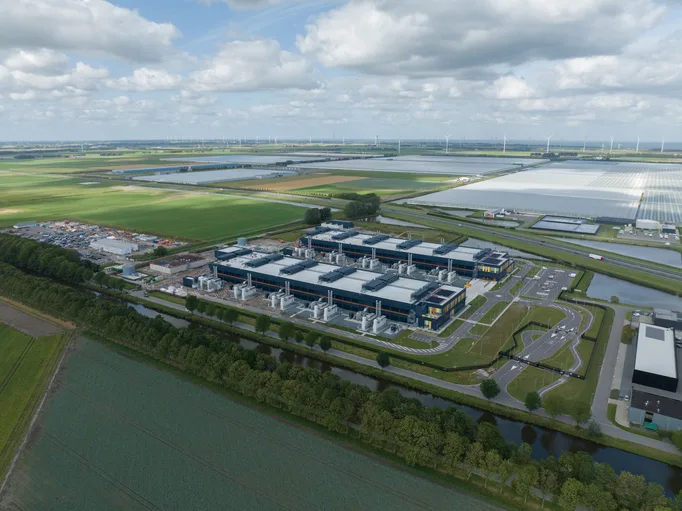
The rapid expansion of digital infrastructure has led to growing demand for land suitable for data centre development. For landowners, this presents a significant opportunity to unlock long-term value, often well in excess of traditional commercial or industrial use. However, selling land for data centre development involves complex legal, planning, and commercial considerations that differ materially from conventional land transactions.
Understanding the Value of Data Centre Land
Land suitable for data centre use is typically constrained by access to power, connectivity, and planning policy. Where these criteria are met, competition from developers and operators can significantly increase land value.
Legal advisers can assist landowners by:
- Identifying whether land is genuinely suitable for data centre development, and
- Ensuring valuation mechanisms reflect future development potential, not just existing use value.
Structuring the transaction correctly at an early stage is essential to avoid undervaluation.
Option Agreements and Conditional Contracts
Most data centre land transactions are not immediate sales but are structured to allow developers time to secure planning permission, grid connections and novations, and most importantly financing.
Key legal issues for sellers include:
- Option periods and long-stop dates to avoid land being tied up indefinitely,
- Exercise mechanics and price calculation, including indexation or uplift,
- Developer obligations to pursue planning and power connections actively,
- Rights to terminate where progress is not made,
- Safeguarding any existing power connection agreement from time-outs and obligations on the developer to make the staged payments,
- Whether an overage should be reserved, and
- Is any existing planning permission being protected.
Power, Access, and Infrastructure Rights
The availability of power and utilities is often the critical factor in data centre viability.
Landowners should receive legal advice on:
- The connection route and granting easements, wayleaves, and rights of access for power, fibre, and water,
- Protecting retained land from excessive infrastructure burdens,
- Temporary access rights during surveys and enabling works,
- Long-term rights that may bind future land use, and
- Public highway accessibility.
Poorly drafted rights can significantly restrict future development of retained land.
Environmental and Regulatory Considerations
Landowners may face ongoing obligations even after sale if not properly advised.
Key areas include:
- Environmental liability for historic contamination,
- Responsibility for biodiversity net gain or mitigation measures, and
- Noise, heat, and water impact on neighbouring retained land.
Tax and Estate Planning Implications
The sale of land for data centre development can have significant tax consequences.
Specialist advice may cover:
- Capital gains tax and available reliefs,
- Structuring disposals to align with estate or succession planning,
- Deferred consideration and tax timing, or
- VAT treatment of the transaction.
Integrating property, tax, and private client advice is often crucial.
Conclusion
Selling land for data centre development presents a unique opportunity for landowners, but one that carries substantial legal and commercial complexity. From negotiating option agreements and managing planning risk to protecting future value and retained land and key power connection agreements, specialist legal advice is essential.
Solicitors experienced in data centre transactions can help landowners navigate the process with confidence, ensuring their interests are protected and the full value of their land is realised.
Experience at BHW
Acting on the sale of land in Essex for data centre development with the benefit of a 50MW power agreement for circa £34 million.
Categorised in: Commercial Property, IT & Telecoms, News
Tags: Commercial Property, Farming & Agriculture, Land